

A Eulogy for Brisket
What was once an accessible and democratic cut of meat has became a luxury product.

Dearly beloved, we are gathered here today to honor one of the greatest smoked meats this country has ever known.
Brisket did not ask for fame. It was, by all accounts, a humble thing, a tough, sinewy slab from a cow's chest, the kind of cut that butchers treated as an afterthought. But somewhere in the smoke of Central Texas, German and Czech immigrants looked at this unloved piece of beef and saw potential. They cooked it low and slow over post oak until it turned tender, and American barbecue changed.
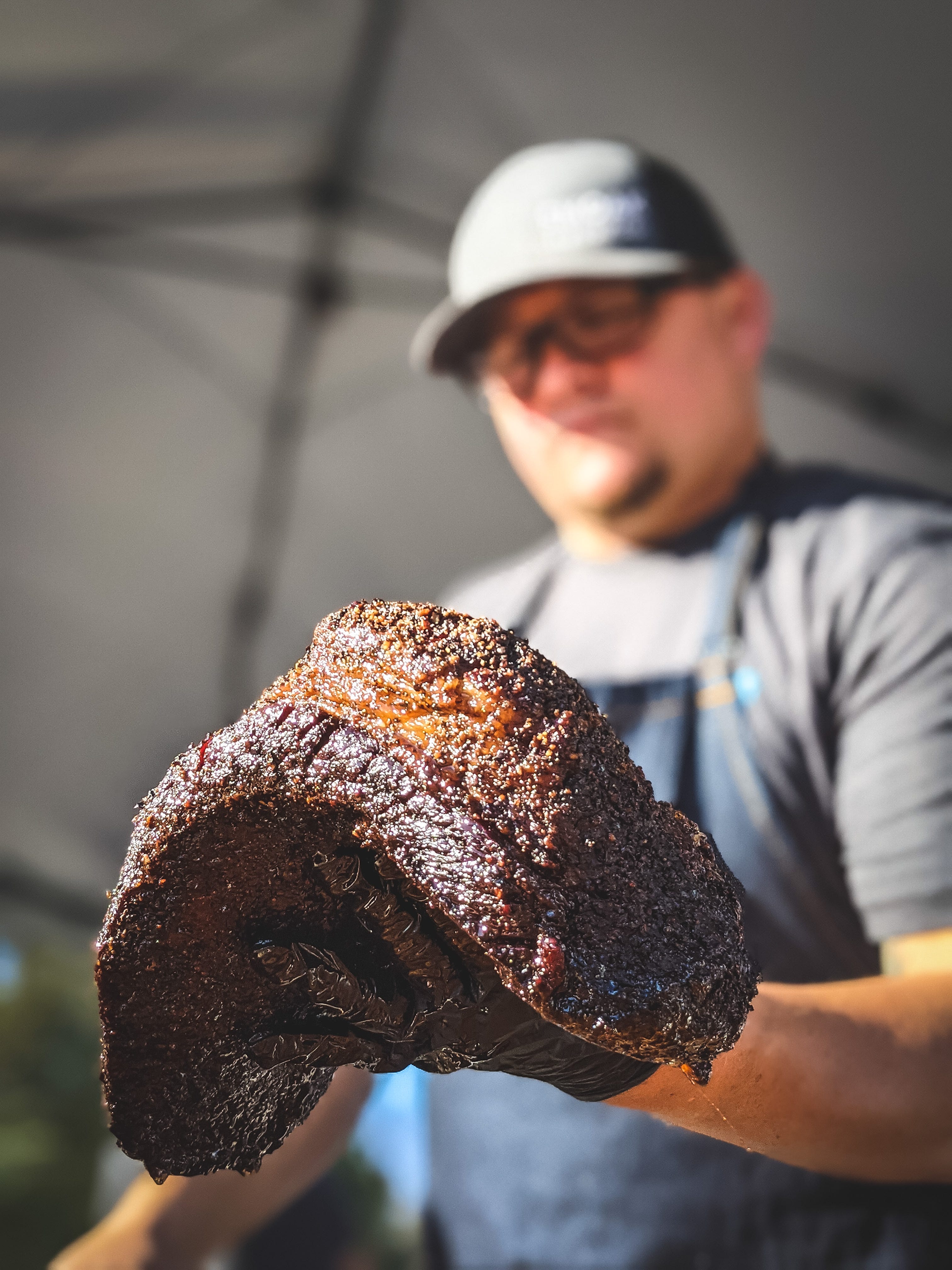
For decades, brisket was the people’s meat: affordable, democratic, available to anyone willing to wait in line. It spread from Texas to Kansas City and from Brooklyn to California, earning Michelin recognition and magazine covers along the way. Pitmasters built their reputations on it (Hello, Aaron Franklin!), and restaurants built their identities around it. People lined up before dawn and drove hours for a few slices. Brisket became, in many ways, the face of the modern American barbecue renaissance.
And now we mourn.
Since January 2020, the price of brisket has climbed nearly 200%, from about $2.60 per pound to $7.53 per pound. The USDA warns that beef prices could rise another 10 to 18% before the end of 2026, and the causes offer little comfort: a cattle herd at its smallest since 1951, persistent drought, and ranchland lost to development at nearly 1,000 acres a day in Texas alone. Justin Fourton of Pecan Lodge in Dallas calls it “an existential crisis in the barbecue industry.”
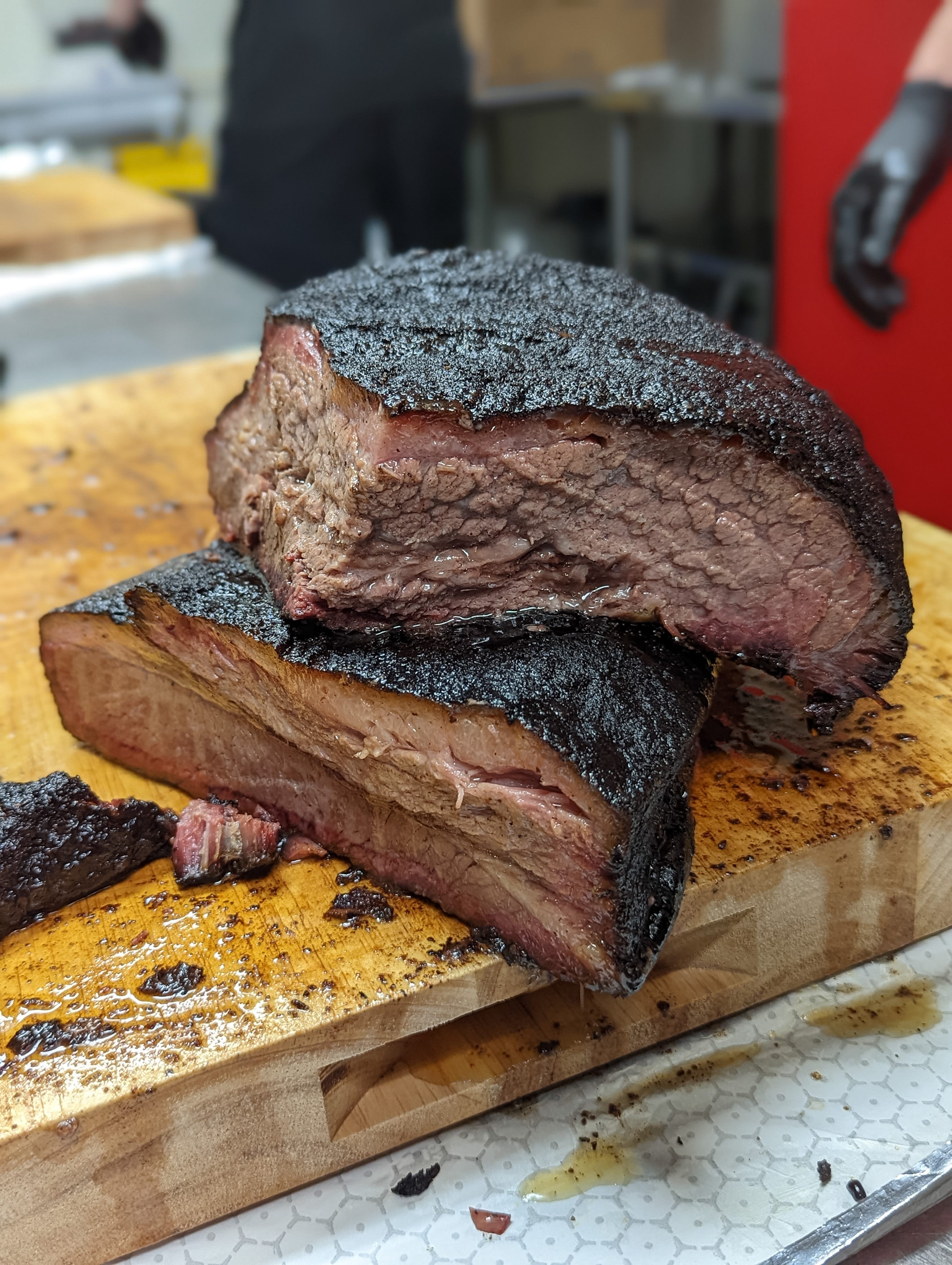
The pitmasters are doing what they can. Sweet Lew’s BBQ in Charlotte now posts a sign that reads, “Beef is expensive, y’all,” and tacks a $3 charge onto every brisket order. Others stretch every ounce, sending scraps into the chili, the beans, and the sausage, rendering trimmings into tallow, wasting nothing in the effort to stay afloat. Still others have simply scaled back, swapping in pulled pork for dishes where brisket once reigned.
Some restaurants have already closed in the past year. Among them longtime Texas joints like Kirby’s BBQ and Brett’s BBQ Shop. In Kansas City, Harp Barbecue and The Ranch closed. In Brooklyn, Fette Sau said goodbye. In New Jersey, Pineapple Express BBQ signed off. More will follow.
And it is not only the small operators. Even Burnt Bean Co., Texas Monthly’s top barbecue joint in the state and a recipient of a Michelin Bib Gourmand, says it has spent the past year in survival mode, leaning on pork and sides to stay in the black. “People say brisket and I cringe,” owner Ernest Servantes told the Washington Post.
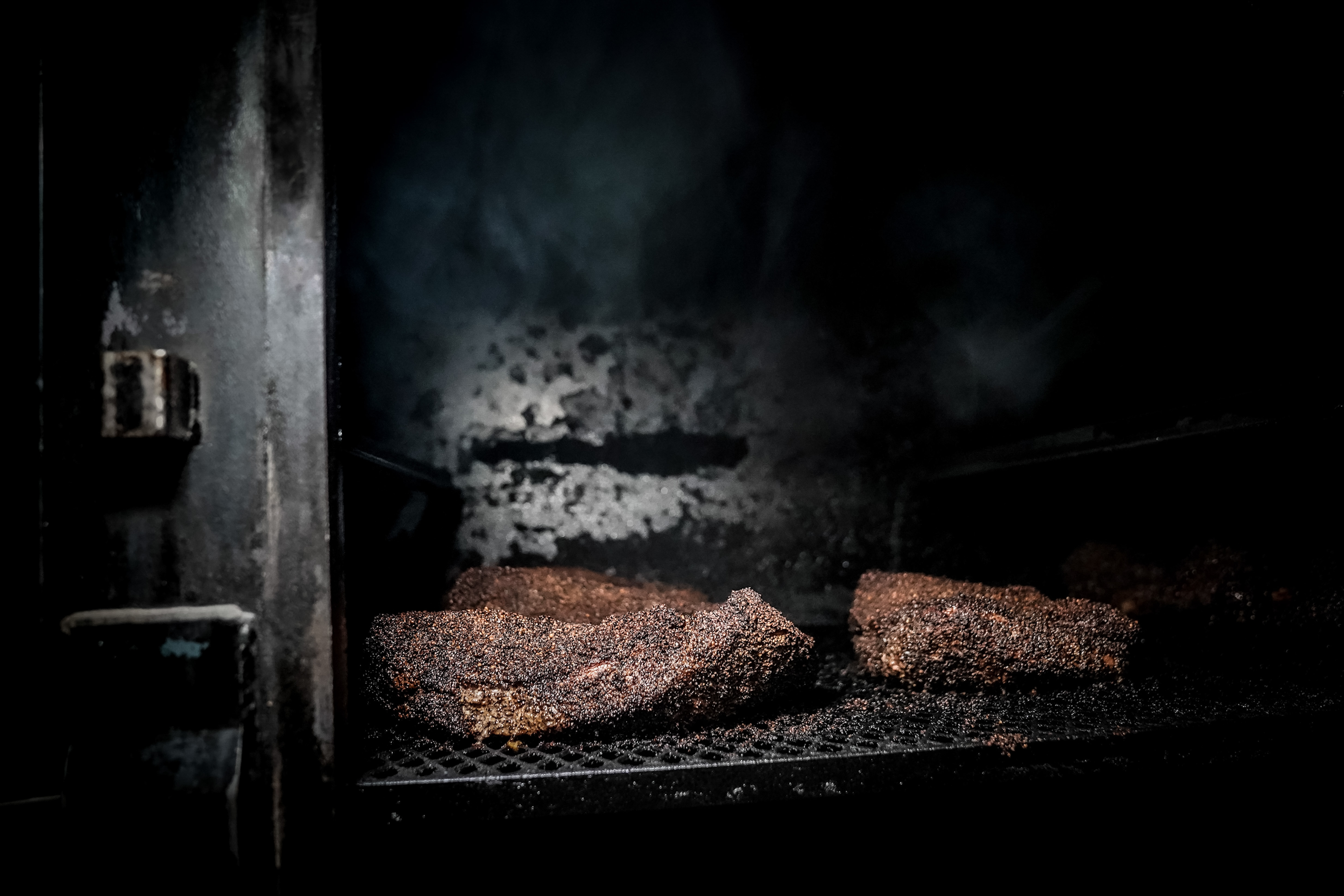
We don’t want to be too dramatic here. Brisket is not gone. You can still find it, close your eyes, and remember why you fell in love with barbecue in the first place. We are still going to order it, but perhaps not as often. As Angela Johnson, who works the counter at Sweet Lew’s, put it: “If they want the beef, they want the beef.” The faithful remain faithful.
But something has shifted. Brisket is no longer the everyday staple it once was. It has become a luxury good.
“I think it’s become a luxury cut,” BBQ legend Tuffy Stone told us recently. “I think part of that’s due to so many people having learned how to cook it so well that you can find good brisket all over the country. … I’m worried about the future of it, though, because a lot of people are telling me they’re going to take it off their menus or only offer it as a special."
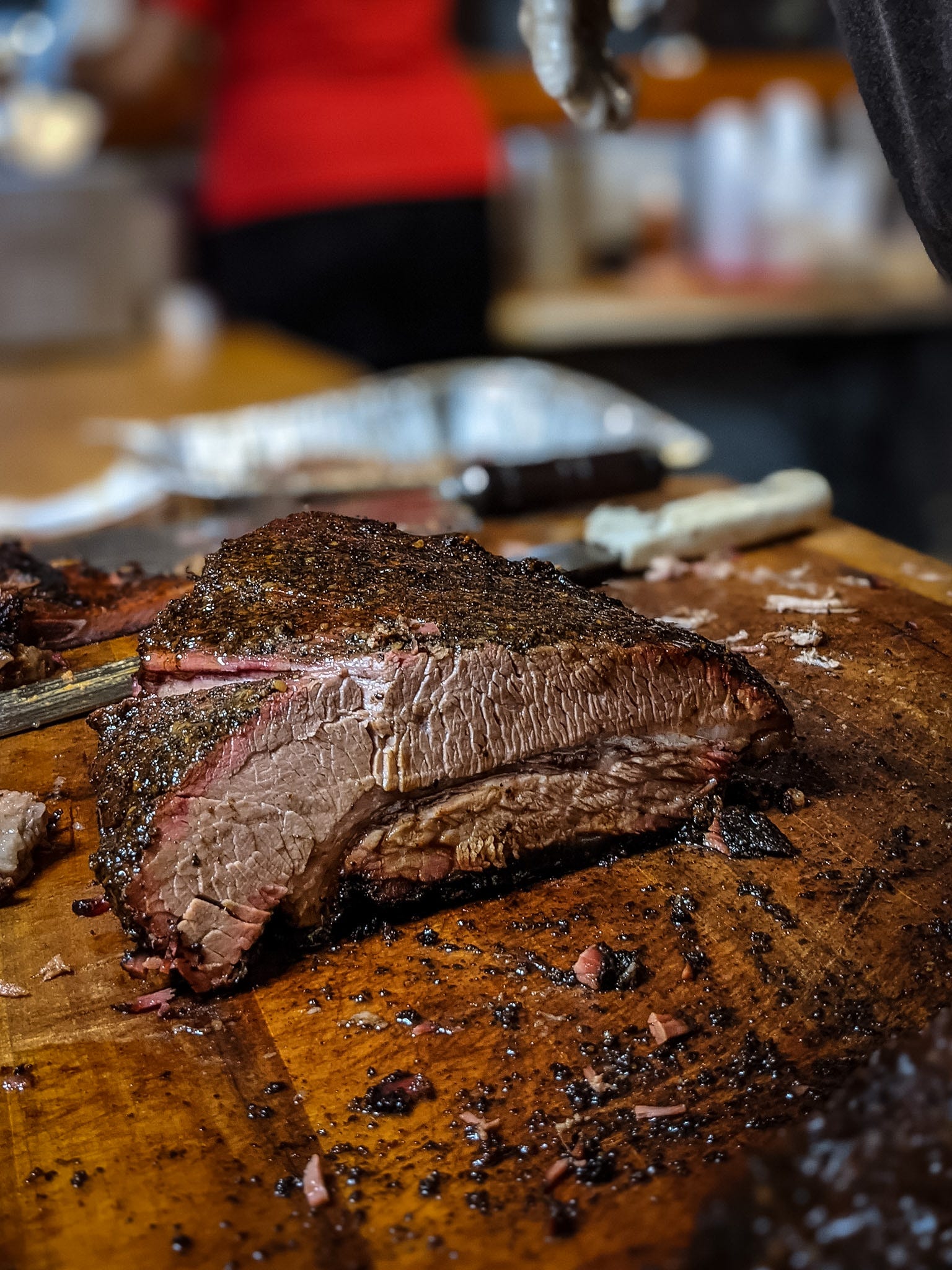
Chris Manning of Smokey Joe’s BBQ in Dallas figures it is headed toward being “like filet mignon,” a splurge rather than a weekday lunch. And with that shift, something essential about American barbecue, its accessibility and its blue-collar soul, starts to slip away.
So raise a fork, lift a bottle of Big Red, and say a prayer for the pitmasters still fighting to keep the smoke burning.
May brisket rest in peace, low, slow, and well-rendered.
Ryan Cooper and Sean Ludwig
Co-Founders, The Smoke Sheet

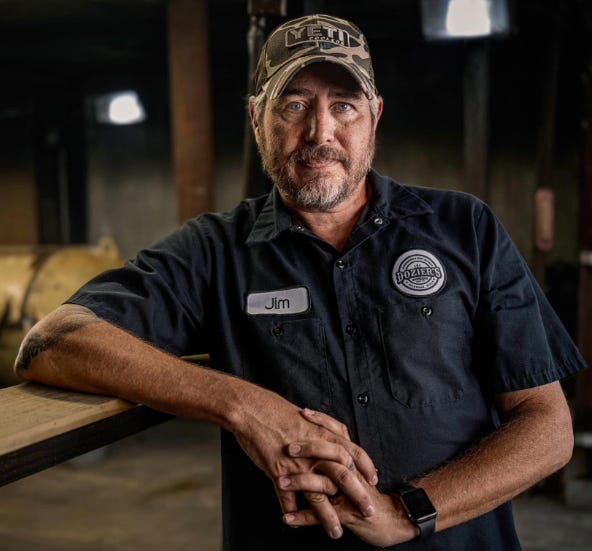
The barbecue community mourns the passing of Jim Buchanan, former pitmaster at Pappa Charlie’s, Buck’s BBQ and Dozier’s in Texas. The past few years he lived in New Mexico but maintained his friendships with Texas barbecuers. “Jim was a veteran and a good man, always willing to lend a hand to assist whoever asked,” write Bryan and Andrew from the Tales from the Pits podcast. “We’ll miss our friend greatly.”
